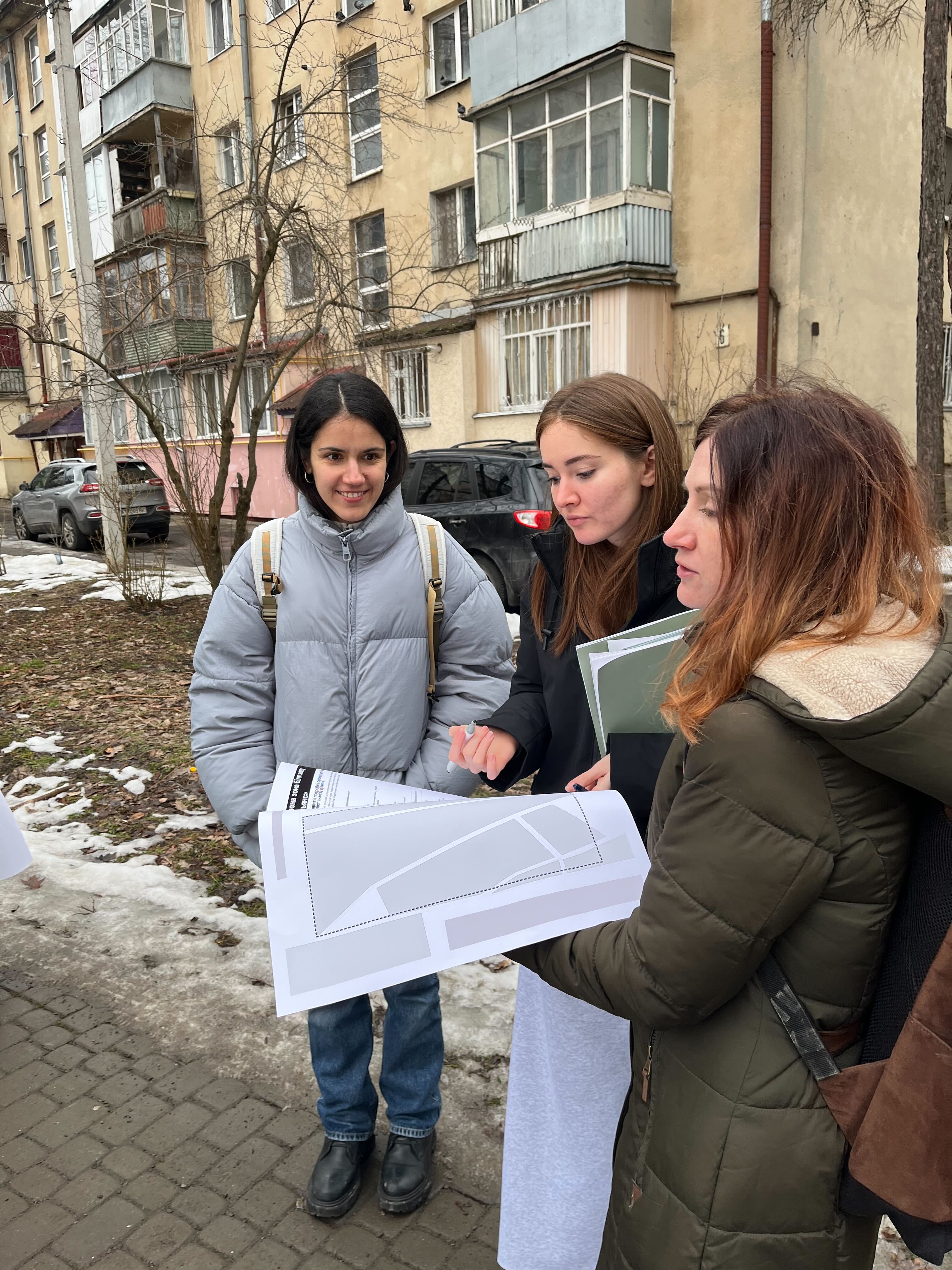
Veterans' recovery is one of the defining challenges Ukraine faces during and after the war
Yet a systemic approach to this issue remains the exception rather than the standard. This is where spatial planning becomes critical — as a tool that can transform fragmented services into a coherent ecosystem of support.
Veterans' recovery in Ukraine often fails not because of a lack of recovery services, but because they are unevenly distributed and their governance is fragmented.
Last spring, with support from the Robert Bosch Foundation, we at Restart launched ADAPT: a project focused on spatial strategies for veterans' recovery. We have just completed the first pilot in Ivano-Frankivsk and the region, and several insights stand out for those planning and designing for recovery.
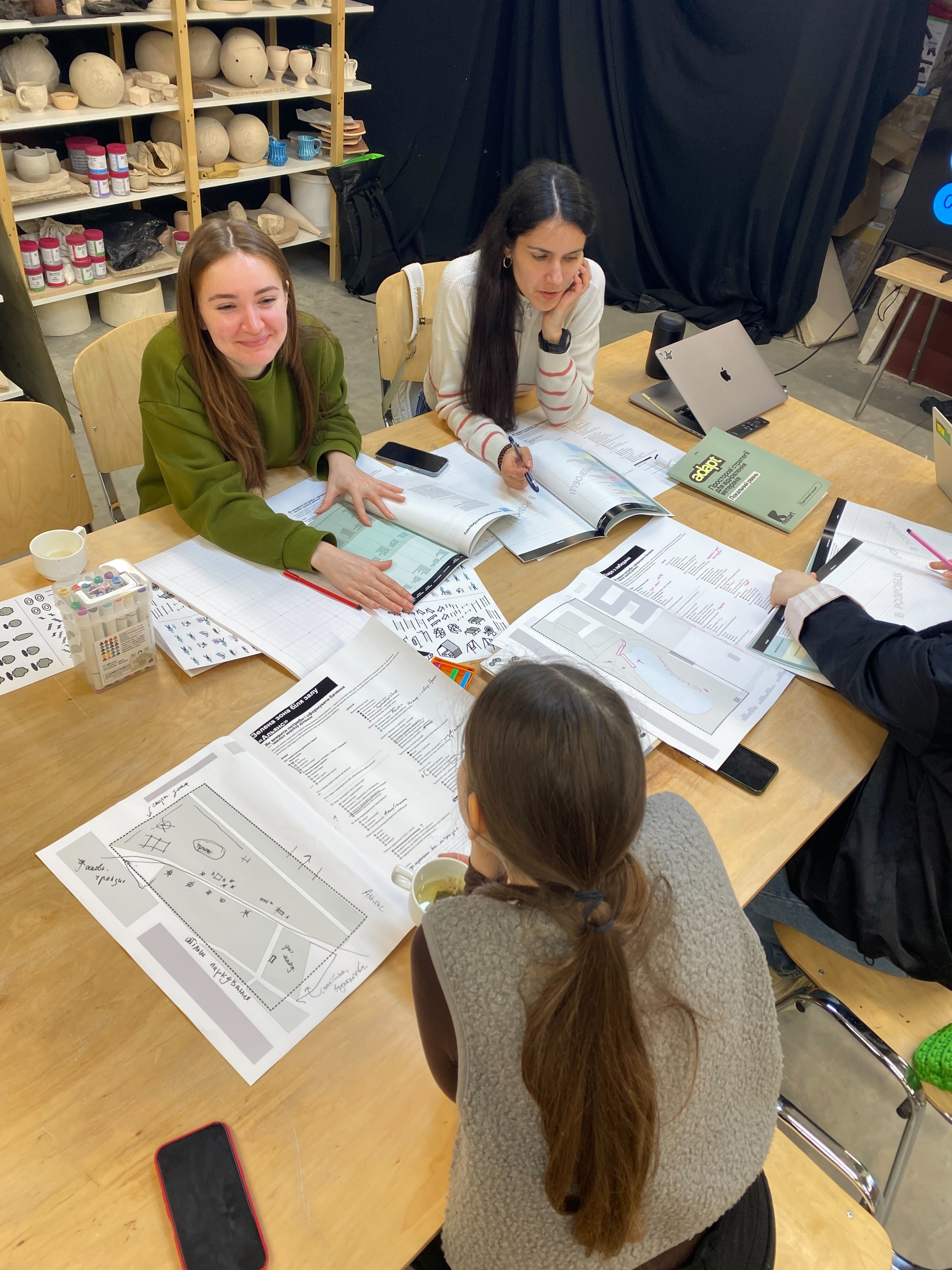
To address the problem comprehensively, ADAPT operates simultaneously across three interconnected levels:
- Regional (oblast’);
- Urban (city);
- Local (test ground located on the hospital grounds).
This structure is intentional to avoid strategies without delivery or pilots without systems change. Working across all three scales allowed us to test how they supplement each other.
At the regional level, we examined how existing veteran policy translates or fails to translate into accessible systems on the ground. At the urban level, we explored what an operational model for early recovery could realistically look like. At the local level, we tested a comprehensive recovery approach under real institutional constraints.
The key takeaway: recovery is not only about healthcare. It is a whole socio-spatial ecosystem — and it needs to be designed as such from the start.